Pressure: What a WWII Forecast Taught Me About Conviction
Pressure is a tense WWII drama based on true events, following the critical 72 hours before D-Day as meteorologist Dr. Stagg advises Allied commander Eisenhower on the invasion’s timing. With the fate of the war hinging on his forecast, the film focuses on high-stakes decision-making over battlefield action.
Talk about a good movie title.
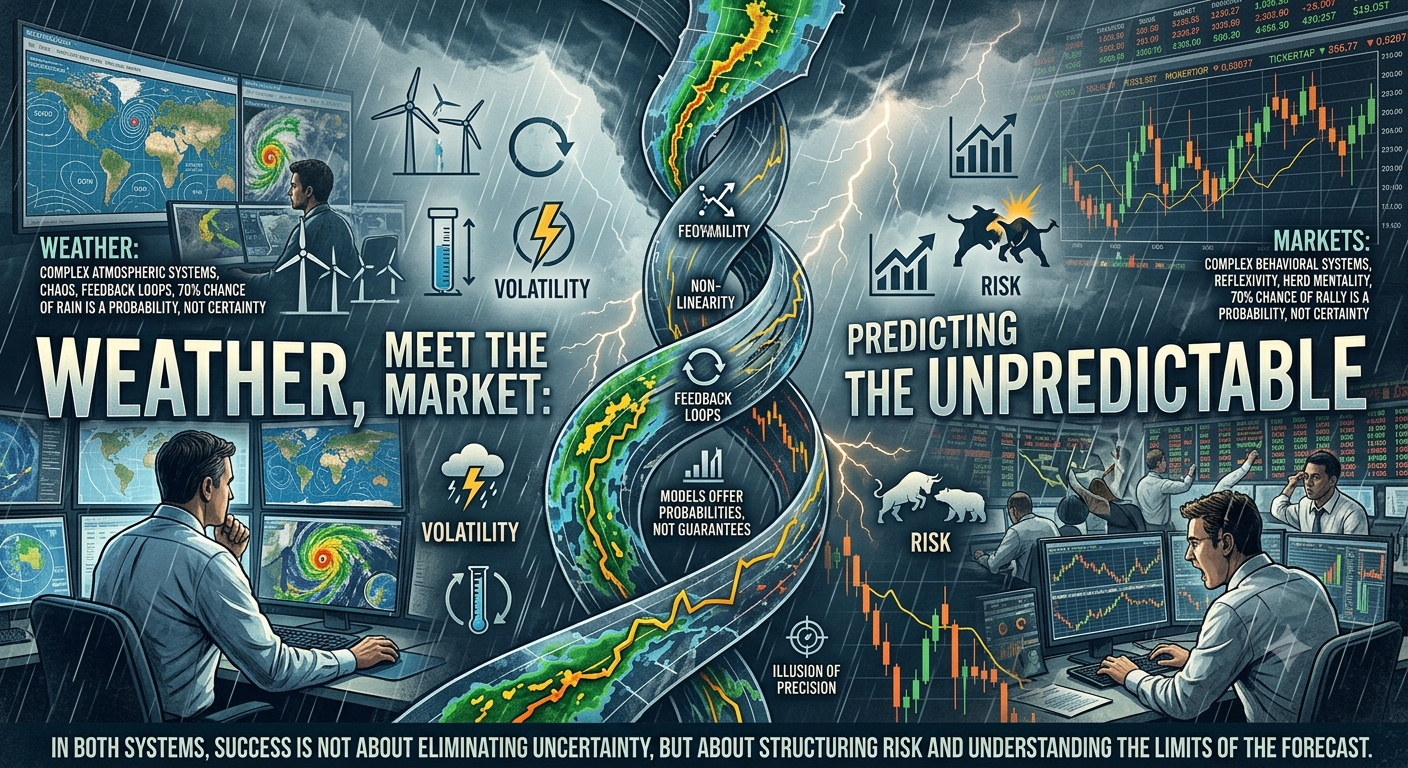
In that context, I find predicting the weather is similar to predicting the market, especially when the stakes are high.
We especially can relate to the movie: The stakes are usually high for us, as we manage a concentrated portfolio. And that, requires a lot of upfront work. And not to mention, the big Ds: Attention to Details, Due Diligence and not to mention, DOUBTS.
Another thing I especially identify with: Stagg suggested not to invade when the sun is high and invade when the storms are violent.
Talk about being the contrarian.
Andrew Scott (To my fellow female readers: aka the hot priest) delivered a powerful performance, including keeping his composure being yelled at by Brandon Fraser (Eisenhower). Publicly. And violently.
We also can relate. Having a concentrated portfolio means one has to stomach the volatility. Mind you: it’s different from risk. (I wrote about it here). It is akin to having yelled at by a thousand loud voices surrounding you, and the internal ones screaming red alert. (I also wrote about it here)
Hindsight is always 20/20: Eisenhower delayed the invasion by 24 hours because of Stagg's forecast against the objections of the American meteorologist on his team, who insisted the weather would hold. Btw, not just regular American meteorologist: That guy was Eisenhowers long-term trusted confidante and had a 100% record for prior major events during the war. Contradicting him alone was a huge risk. And a huge uphill battle.
But the weather did not hold and the storm did come. Stagg was right. And then, in an even bigger act of nerve, he told Eisenhower the storm would break just long enough on June 6th to go.
The thing is, Stagg suggested this to Eisenhowers while the storm was raging. He told him not to when it was sunny and calm. He looked like an idiot both times. But as Druckenmiller has so often reminded investors, you need to think about where things will be in the future, not today or yesterday.
Stagg was not just a regular contrarian. That is a contrarian with a deadline, no do-overs, and 156,000 lives in the balance.
We don't have that kind of pressure. But we do know what it feels like to hold a position everyone else thinks is mad (or not buy into Vistry early on), on the strength of a forecast only you can see the logic of. And to know that being early and being wrong look identical for a very uncomfortable stretch of time (think 5 days but feels like 5 years).
We have to constantly remind ourselves that conviction isn't the absence of doubt. Stagg doubted himself plenty, and it weighted on him heavily (not to mention not knowing where his pregnant wife was during a hospital attack).
To us:
Conviction is doing the work so thoroughly that when the moment comes, you can act on your own forecast instead of everyone else's panic.
And maybe THAT is the real difference between volatility and risk:
Volatility is the storm, whereas risk is not knowing your own forecast well enough to invade anyway.
Pressure, indeed.
-Jenny Ngan , Head of Business Development
This post is provided for general information and educational purposes only. It reflects the personal views of the author and does not necessarily represent the views of MAAT Investment Group. It is not investment advice, nor an offer, solicitation, or recommendation to buy or sell any security or to invest in any fund or strategy. Any companies or transactions mentioned are referenced solely to illustrate a general point and are not recommendations. Past performance is not a reliable indicator of future results, and the value of investments can fall as well as rise. Capital is at risk. Please seek advice from a suitably qualified professional before making any investment decision.